
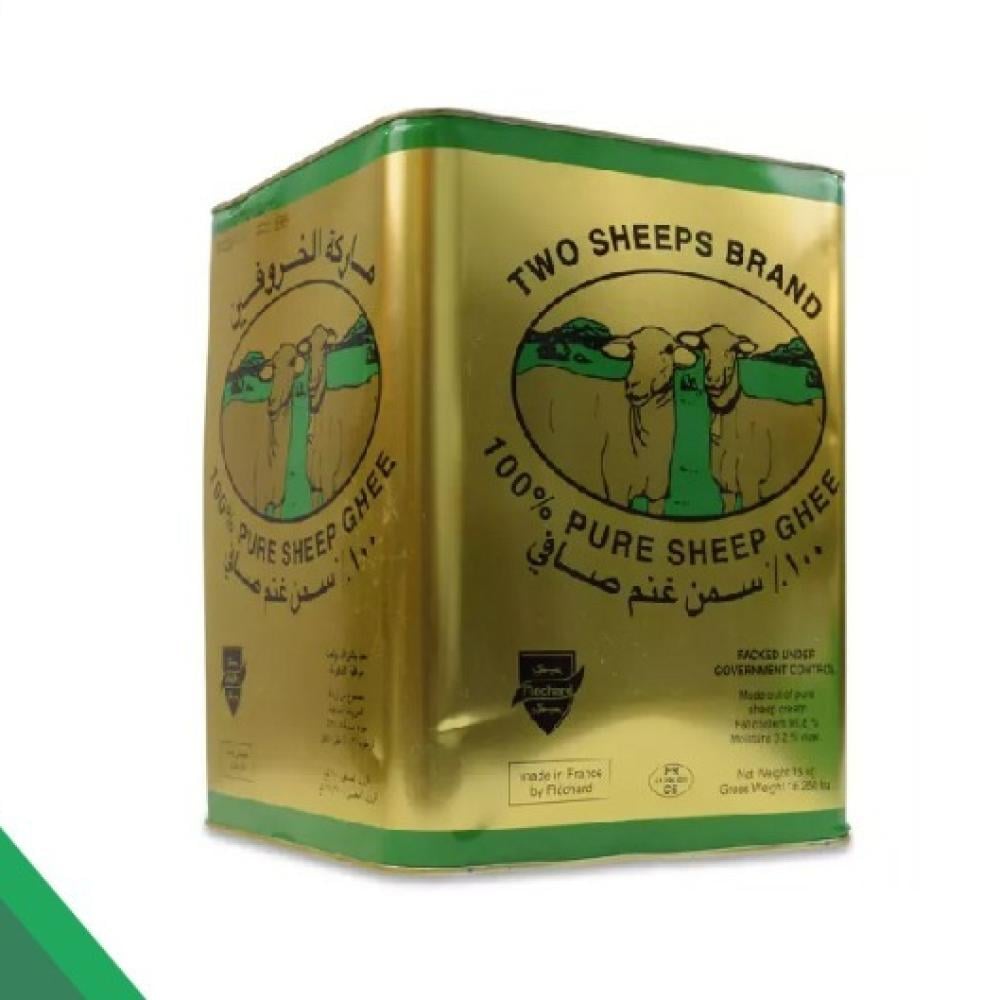
Welcome to our website where we highlight sheep ghee, a time-honored natural product considered a treasure in culinary heritage. On this page, we'll give you a comprehensive overview of how sheep ghee is made, focusing on the essential steps in the process, and explore the benefits of using it as part of your daily diet.
Learn with us about the production of sheep ghee using both traditional and modern techniques, and discover the secrets to achieving the best flavor and quality. We will also provide a comparison between sheep ghee and other types of ghee to highlight the key differences.
Discover the traditions and customs of sheep ghee making across different cultures, and explore its journey from farm to table. We'll also guide you on how to use sheep ghee in traditional dishes and share the secrets behind selecting the perfect ingredients for its creation.
Enjoy learning about the top 5 health benefits of ghee and why you should try it, along with details on the ghee-making process and the essential steps to obtaining a high-quality product. We'll explain the difference between ghee and traditional ghee so you're fully informed.
Learn with us how the quality of the sheep affects the production of ghee, how to easily prepare it at home, and discover how sheep ghee can be the ideal natural product to enhance the flavor of traditional dishes. We highlight modern techniques in sheep ghee production that combine innovation with tradition.
On this page, we share the secrets to successful sheep ghee production and the best way to achieve it, and we discuss whether sheep ghee is the best in the world by reviewing differing opinions. We offer tips on how to choose the ideal sheep to create exceptional sheep ghee that will add a unique flavor to your dishes.
introduction:
Sheep ghee is more than just a traditional food product; it's a blend of heritage, quality, and refined taste. This type of ghee derives its fame from its authenticity and rare natural ingredients, making it a favorite among lovers of traditional cuisine and those seeking healthy food. In this article, we'll take you on a unique journey exploring how sheep ghee is made, its most important benefits, its diverse uses in the kitchen, and how it compares to other types of ghee.
How to make ghee from two sheep: basic steps in the process
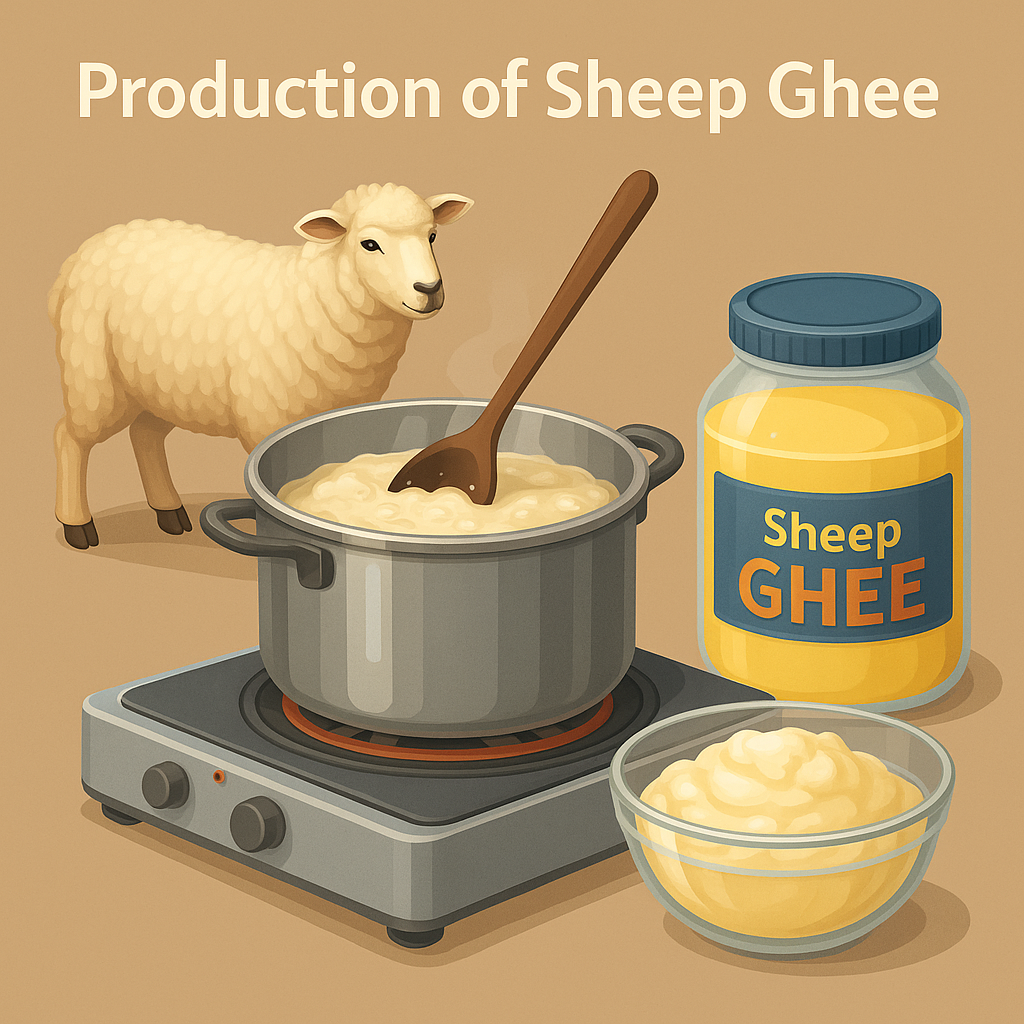
The process of making sheep ghee involves meticulous steps, beginning with selecting suitable sheep, continuing through collecting fresh fat, and ending with converting it into pure ghee. The essential steps include:
- Fat is collected from sheep that have been fed naturally.
- Clean the grease thoroughly to remove impurities.
- Heat the fat over low heat until it turns into a clear liquid.
- It is filtered, cooled, and then packed into designated containers.
Benefits of sheep ghee: Why should it be included in your diet?
Sheep ghee contains a high percentage of fat-soluble vitamins such as A, D, E, and K. Among its most notable benefits are:
- It supports heart health when consumed in moderation.
- It promotes digestive health.
- It helps improve the absorption of nutrients.
- High in energy and suitable for athletes.
- It contains natural antioxidants that boost immunity.
Making ghee from two sheep: traditional and modern techniques and methods
While traditional methods rely on low heat and a copper pot, some modern factories have turned to using steam techniques and precise heat treatment to preserve nutritional value and reduce harmful cholesterol.
Secrets of ghee made from two sheep: How to achieve the best flavor and quality
To obtain the best sheep ghee:
- Choose fat from sheep raised in pastures.
- Use copper cooking pots to enhance the flavor.
- Add a little natural herb such as thyme while heating to give it a distinctive flavor.
Comparison between sheep ghee and other types of ghee: What is the difference?
Sheep ghee is distinguished by its strong aroma and rich flavor, unlike vegetable ghee which contains potentially harmful hydrogenated fats. It also surpasses cow ghee in nutritional density and taste in traditional cooking.
Ghee from two sheep: traditions and customs in different cultures
In many Arab countries, sheep ghee is used on special occasions such as holidays and large feasts. It is also considered a symbol of generosity in some Bedouin communities.
From farm to table: The journey of two sheep ghee
The journey of ghee begins with raising sheep, then collecting and processing the fat, and finally distributing it to markets or packaging it in luxury containers. The following stages are essential for maintaining quality:
- Sheep healthcare.
- The rate of fat conversion after slaughter.
- Equipment cleanliness.
- Storage in a suitable environment.
How to use sheep ghee in traditional dishes
Sheep ghee is used in:
- Cooking Kabsa and Biryani.
- Browning meat and chicken.
- Preparing traditional pastries.
- Preparing oriental sweets such as kunafa and basbousa.
Ghee made from two sheep: Choosing the perfect ingredients to make it
The presence of tallow is not enough; the highest quality tallow must be chosen, and old or unclean tallow must be avoided. Using aromatic herbs is also preferable to give the product a distinctive character.
5 health benefits of sheep ghee: Why should you try it?
- Improved digestion.
- Strengthening the immune system.
- Promote healthy skin and hair.
- Reduce internal inflammation.
- To provide the body with energy during periods of fasting or winter.
Making sheep ghee: Essential steps to obtain a high-quality product
Advanced steps include:
- Test the quality of the grease before using it.
- Monitor the temperature accurately.
- Avoid using rust-prone metal tools.
- Filter the product several times.
The difference between sheep ghee and traditional ghee: What do you need to know?
Traditional ghee may be made from vegetable or cow oils and is characterized by a lower price, but it does not compare to sheep ghee in terms of taste and natural nutritional components.
How does the quality of sheep affect the production of ghee?
Sheep that are fed on natural herbs produce better quality fat, and this is reflected in the flavor of the ghee and its health benefits.
Steps to easily prepare sheep ghee at home
- Collect the required amount of grease.
- Cut it into small cubes.
- Place it in a heavy pot over low heat.
- Stir continuously until it is completely dissolved.
- Strain the resulting liquid using a clean cloth.
Sheep ghee: A natural product to enhance the flavor of traditional dishes
Nothing compares to the flavor of a dish cooked with real sheep ghee. The strong, rich flavor enhances the taste, making the dish a unique and unforgettable experience.
Modern techniques in sheep ghee production: Innovation in heritage
Some factories have begun to adopt oxygen-free packaging and refrigerated storage technologies to preserve ghee for as long as possible without affecting its quality.
Secrets to the successful production of sheep ghee and the optimal tasting method
Experts recommend tasting ghee on a piece of Arabic bread or adding it to white rice to discover its true taste and ensure its quality.
Is ghee from two sheep the best in the world of ghee? Differing opinions.
While some prefer it for its distinctive taste, others believe that its high price may not always make it the first choice, but in terms of quality and flavor, sheep ghee remains at the forefront.
How to choose the ideal sheep for making premium sheep ghee
- Local or pastoral sheep are preferred.
- Monitoring the health status of the sheep.
- Ensuring it is free from diseases.
- Rely on reliable sources for purchasing.

Two sheep ghee : From tradition to innovation in the oil industry
Tradition and innovation in the oil industry
Ghee made from two sheep has played a significant role in culinary culture throughout history, with its production methods passed down from generation to generation. The traditional manufacturing process involves specific steps, including selecting high-quality sheep and using age-old techniques to produce ghee characterized by its rich flavor and aromatic scent.
As time progressed, innovations began to emerge in the production of sheep ghee, such as:
- Modern methods : New technologies have been introduced that increase the quality of ghee.
- Packaging : Methods of preserving ghee have evolved so that it remains fresh for longer periods.
The process of making ghee from two sheep has evolved over the ages.
The history of sheep ghee is full of changes. Initially, the process was limited to simple manual methods, but over time, producers began using modern machinery that facilitated production and increased efficiency. Today, sheep ghee can be found in local markets in various forms and sizes, helping to meet consumer needs, whether they are looking for healthy options or unique flavors to enhance their everyday dishes.
What are the health benefits of ghee from two sheep? Discover the secrets.
Nutritional value of sheep ghee
Ghee made from two sheep is not just a delicious ingredient in the kitchen; it also boasts good nutritional value. It contains:
- Healthy fats : These include beneficial fatty acids such as omega-3 and omega-6, which contribute to improved heart health.
- Vitamins : Rich in vitamins A, D, and E, which boost immunity and moisturize the skin.
Health benefits of consuming sheep ghee
Consuming ghee from two sheep has many health benefits for the body, including:
- Improved digestion : It helps facilitate the digestive process thanks to its laxative properties.
- Increased energy : It is an excellent source of energy, making it a suitable choice for athletes.
It can be said that including ghee from two sheep in your diet may enhance your overall health and give your meals a distinctive taste.
Steps to make ghee from two sheep at home: A simple and easy recipe
Basic components
If you would like to try making ghee from two sheep at home, here is a list of the basic ingredients you will need:
- Lamb meat : - It is preferable to use fat from specific areas such as the back.
- Water : To facilitate the dissolving process.
- Salt : To improve flavor and increase shelf life.
Detailed steps for making sheep ghee at home
To easily make ghee from two sheep, follow these steps:
- Cutting the meat : Cut the meat into small pieces to promote faster melting.
- Cooking : Place the pieces in a pot over low heat with the addition of a little water.
- Heating : Continue stirring until the fats have completely melted, resulting in the release of ghee.
- Filtering : Use a strainer to filter the ghee from impurities and meat pieces.
- Storage : Keep the ghee in a glass container, and you can store it in the refrigerator.
This easy recipe will make your experience of making sheep ghee enjoyable and delicious!
Two sheep ghee: Learn everything you need to know about this unique product
Origins and history of sheep ghee
Ghee made from two sheep is a food product deeply rooted in ancient Arab cultures, where it has long been used in the preparation of traditional dishes. Historically, it was made using traditional methods, incorporating fat from a mountain sheep, which gave it a distinctive taste and rich flavor. Over time, families continued to pass down these time-honored recipes, and it has reached us today as part of our cultural heritage.
Common uses of sheep ghee
Sheep ghee is characterized by its versatility in food uses, including:
- Cooking : It is used as a substitute for other oils in frying and baking.
- Traditional dishes : It adds a rich flavor to dishes such as Kabsa and Majboos.
- Sweets : It is an essential ingredient in the preparation of traditional pastries and sweets.
So, ghee from two sheep is not only a delicious addition to your food, but also an element that carries the scent of history and the heritage of our ancestors!
Tradition and modernity: How the ghee industry has changed over time
Developments and changes in the sheep ghee industry
Over the years, the sheep ghee industry has undergone radical changes. In the past, the production process was limited to traditional methods, such as:
- Manual extraction : This was done by slowly heating the fat over a fire, which took a long time.
- Storage : It required packing the ghee into earthenware containers.
But today, manufacturing technologies have become more modern, with the use of automated equipment that saves time and effort and increases efficiency.
The role of innovation in preserving the traditions of ghee making
Despite these modern developments, tradition remains an essential part of the sheep ghee industry. Ghee makers focus on:
- Quality : Maintaining product quality by using natural ingredients.
- Flavor : Applying innovative techniques that enhance the traditional flavor.
This balance between tradition and modernity ensures that two sheep ghee remains beloved and trusted in kitchens, no matter how times change!
Comparison between sheep ghee and vegetable oils: Which is the best option for you?
Advantages and disadvantages of sheep ghee
When considering the use of ghee from two sheep, a number of benefits and drawbacks come into play. The most prominent benefits include:
- Rich flavor : It gives a distinctive flavor to dishes, making food more delicious.
- Rich in vitamins : Contains beneficial vitamins that promote health.
But there are also some drawbacks, such as:
- Fatty : It may be high in saturated fats, which requires avoiding excessive use.
- Availability : May be rare in some areas compared to vegetable oils.
Comparative analysis between sheep ghee and vegetable oils
When comparing sheep ghee with vegetable oils, we find that:
- Fat content : Sheep ghee contains more saturated fat, while vegetable oils are full of healthy unsaturated fats.
- Uses : While ghee from two sheep can be used in traditional cooking, vegetable oils are preferred for frying and steaming.
In short, choosing the best depends on your health needs and lifestyle, but two sheep ghee remains a premium choice for those who prefer rich flavor and tradition.
Two sheep ghee: The rarity of the industry and its historical origins
Reasons for the scarcity of sheep ghee production
The production of ghee from two sheep is a rare activity that is not widely practiced, due to several reasons, including:
- Natural resources : The industry depends on providing high-quality sheep, which may not be permanently available.
- High costs : Production costs may increase due to the need for precise and professional manufacturing processes that require time and effort.
- Competition with other oils : Cheap and readily available vegetable oils are available, which reduces the popularity of sheep ghee.
The historical origins of ghee production in the world
The origins of ghee production date back to ancient times, when it was used in cooking and confectionery. In various civilizations, it was considered a symbol of wealth and a way to preserve cultural heritage. For example:
- In ancient Egyptian civilization : Ghee was used in preparing food for offerings.
- Among Arabs : It has become an integral part of traditional Arab cuisine, where it is used to prepare delicious dishes.
The history of ghee from two sheep spans the ages, offering us a glimpse into the deep links between food and culture.
The place of ghee (clarified butter) in Arabic cuisine: uses and recipes
Traditions of using sheep ghee in Arabic cooking
Ghee from two sheep has long held a prominent place in Arabic cuisine, associated with rich traditions and fond memories. It is used in many traditional dishes, imparting a rich flavor, such as:
- Mafroukeh : It is used in preparing Mafroukeh dessert, which is full of flavors.
- Stuffed foods : such as stuffed vegetables and kibbeh, to add a touch of rich texture.
Delicious recipes that use sheep ghee
Here are some delicious recipes you can prepare using sheep ghee:
- Koshari : Using two sheep ghee, you can prepare this popular dish by adding a little to the rice to improve the flavor.
- Pastries : such as manakish, where ghee helps to make the dough soft and fluffy.
In short, ghee made from two sheep is not just an ingredient, but an element that brings warmth and artistry to every meal prepared with it!
How to choose the best sheep ghee: Expert tips
Important factors when choosing sheep ghee
When searching for the best sheep ghee, several factors must be considered to ensure product quality. Here are some key points:
- Source : Make sure that the ghee comes from reliable farms known for raising sheep well.
- Flavor : Ghee should have a distinctive taste and a fragrant aroma, indicating its quality.
Tips for choosing high-quality ghee
Here are some important tips for choosing high-quality sheep ghee:
- Check the ingredients : Make sure that the ghee is made from natural ingredients without artificial additives.
- Visual inspection : Look for a natural golden color and a slight degree of transparency, as this is evidence of cleanliness and quality.
By choosing high-quality sheep ghee, you will ensure that you add a distinctive flavor to your dishes and achieve the best in every recipe.
The production of sheep ghee: history and traditions
History of sheep ghee production
The production of sheep ghee dates back to ancient times, when it was made by hand using traditional methods. It was considered a symbol of generosity and quality in many Arab cultures. Rural communities contributed to the dissemination of production techniques across generations, making ghee an integral part of their dietary customs.
Traditional practices preserve the quality of ghee production.
Despite modern advancements, traditions still play a significant role in preserving the quality of sheep ghee. These traditions include:
- Careful selection of ingredients : It is preferable to use fats from specific sheep to achieve the best flavor.
- Manufacturing techniques and heritage : Following traditional methods and taking care during production ensures obtaining high-quality ghee.
This philosophy continues to be a source of pride for new generations, preserving a rich and deeply rooted heritage in Arab culture.
How is sheep ghee produced? The steps in the manufacturing process
The process of producing sheep ghee from start to finish
The process of producing sheep ghee begins with selecting the best cuts of fat from the sheep, which goes through several stages, including:
- Cutting : The fat is cut into small pieces for easier melting.
- Cooking : These pieces are cooked slowly over low heat until the fat has completely melted.
- Filtering : The ghee is filtered to remove impurities and meat pieces, resulting in a pure product.
- Packaging : Ghee is packed in tightly sealed bottles or cans to maintain its quality.
Traditional methods of manufacturing sheep ghee
Traditional methods include the use of manual equipment and simple preparation techniques, such as:
- Direct use of fire : Unlike modern methods, direct fire is used to heat fats.
- Preservation with salt : Salt is sometimes added to increase the shelf life of ghee.
Such methods ensure the preservation of the original taste and flavor, where heritage blends with art in the making of two sheep ghee.
Ghee from sheep: Nutritional value and uses
Analysis of the nutritional value of sheep ghee
Ghee from sheep is considered a rich source of nutrients, as it contains:
- Healthy fats : It is a good source of both saturated and unsaturated fats, which contribute to promoting heart health.
- Vitamins : Rich in vitamins A and D, which are essential for healthy skin and eyes.
These nutrients make sheep ghee an excellent choice for cooking purposes, provided it is consumed in moderation.
Uses of sheep ghee in daily life
Sheep ghee is highly sought after by many chefs due to its rich flavor, and it can be used in:
- Cooking dishes such as Kabsa and stuffed vegetables, adding a distinctive touch to each dish.
- Preparing sweets : such as biscuits and pastries, as it makes the dough softer.
Thanks to its high nutritional value and diverse uses, sheep ghee remains a distinctive choice in Arab cuisine.
The difference between sheep ghee and other types of oils
The main differences between sheep ghee and other oils
Sheep ghee differs from other types of oils in several aspects, including:
- Source : It is made from sheep fat, while vegetable oils come from sources such as olives and corn.
- Taste : It has a rich flavor that makes dishes stand out, compared to vegetable oils which may have a neutral taste.
Comparison of nutritional value and uses between different oils
In terms of nutritional value, sheep ghee contains:
- Saturated fats : Much higher, making it a good source of quick energy.
- Vitamins : such as A and D, which many vegetable oils lack.
As for vegetable oils, they are:
- Rich in unsaturated fats : beneficial for heart health.
- Versatile use : Ideal for frying and salads.
In short, the choice between sheep ghee and vegetable oils depends on the cooking needs and the desired flavor in the dishes!
Benefits of sheep ghee: Why should you add it to your diet?
Reviewing the health benefits of consuming sheep ghee
Ghee from sheep has many health benefits that make it an attractive option in the diet:
- Source of energy : Two sheep ghee is considered a rich source of energy, making it ideal for active people or athletes.
- Immune support : Its vitamin content enhances the body's ability to resist diseases.
Reasons why sheep ghee is essential in the diet
Here are some reasons why you should consider adding sheep ghee to your daily meals:
- Enhancing the flavor of dishes : Ghee adds a distinctive flavor and rich taste to many dishes.
- High nutritional value : The healthy fats it contains contribute to improved vitamin absorption.
Absolutely, sheep ghee can be a nutritious and delicious addition to your lifestyle!
Sheep or cow? A comparison between different types of ghee
Comparison between the main types of ghee
When discussing ghee, there are main types that differ in their ingredients and properties, most notably sheep ghee and cow ghee. Here's a quick comparison:
- Sheep ghee : It is extracted from sheep fat and is characterized by its rich flavor.
- Ghee : It is produced from cow's milk and is often more fatty.
Differences between sheep ghee and cow ghee
Upon closer examination of the differences:
- Flavor : Sheep ghee has a strong and distinctive flavor, while cow ghee has a more moderate taste.
- Nutritional value : Sheep ghee contains more healthy fats, making it the preferred choice for many cooks.
In short, the choice of ghee type depends on preferred uses and the desire for flavors!
Ghee from sheep in Arabic cuisine: recipes and techniques
Traditional recipes that use sheep ghee
Ghee made from sheep is a key ingredient in many traditional recipes in Arabic cuisine, such as:
- Kabsa : It is used to brown chicken or meat, adding a rich flavor.
- Pastries : such as samosas, where ghee gives the dough a crispy and delicious texture.
Cooking techniques using sheep ghee
Cooking techniques rely on the method of using sheep fat to bring out the best flavors in dishes. Here are some tips:
- Slow heating : It is preferable to heat the ghee over low heat to obtain the best texture and taste.
- Browning : Using it to brown ingredients adds new dimensions of flavor, especially in main dishes.
These recipes and techniques make sheep ghee an ideal choice in Arabic cuisine!
How to choose good sheep ghee in the markets
A guide to choosing high-quality sheep ghee
When looking for premium sheep ghee, several factors should be considered to ensure quality. Here are some points to keep in mind:
- Ingredients : Check for only natural ingredients without preservatives or artificial additives.
- Color and smell : It should have a light golden color and a natural smell that indicates freshness.
Considerations when buying from local markets
When buying from local markets, keep these considerations in mind:
- Production date : Choose freshly made ghee for the best quality.
- Brand : Look for trusted brands known for their quality.
By following these tips, you can be sure that you are choosing high-quality sheep ghee that will add a wonderful flavor to your dishes!
Sheep ghee production: Challenges and opportunities in the local market
Challenges facing sheep ghee manufacturers
The sheep ghee industry faces several challenges in the local market, including:
- Scarcity of resources : The difficulty in obtaining high-quality sheep fat affects production.
- Competition : The presence of cheaper alternatives, such as vegetable oils, has a significant impact on demand.
Opportunities available in marketing and selling sheep ghee
Despite the challenges, there are promising opportunities that can be exploited:
- Marketing traditions : Promoting the importance of sheep ghee as part of cultural heritage can attract those interested in traditions and authenticity.
- New markets : Expanding into streamlined markets such as organic or online stores can increase opportunities to reach customers.
By using smart strategies, sheep ghee can successfully make its way into the local market!
Ghee from sheep: Keys to success in a traditional food industry
Key success factors for sheep ghee product
To succeed in the sheep ghee industry, companies need to focus on several key factors, including:
- Quality : Maintaining high product quality by using only natural ingredients.
- Heritage : Promoting historical stories about ghee as part of the local culture to attract customer interest.
Marketing strategies to enhance the success of the sheep ghee industry
To enhance market success, effective marketing strategies such as:
- Advertising via social media : Using digital platforms to spread awareness about sheep ghee and its benefits.
- Free samples : Distributing samples at local events to increase personal experience with the product.
By implementing these strategies, the sheep ghee industry can achieve sustainable success and find its place in the hearts of consumers!
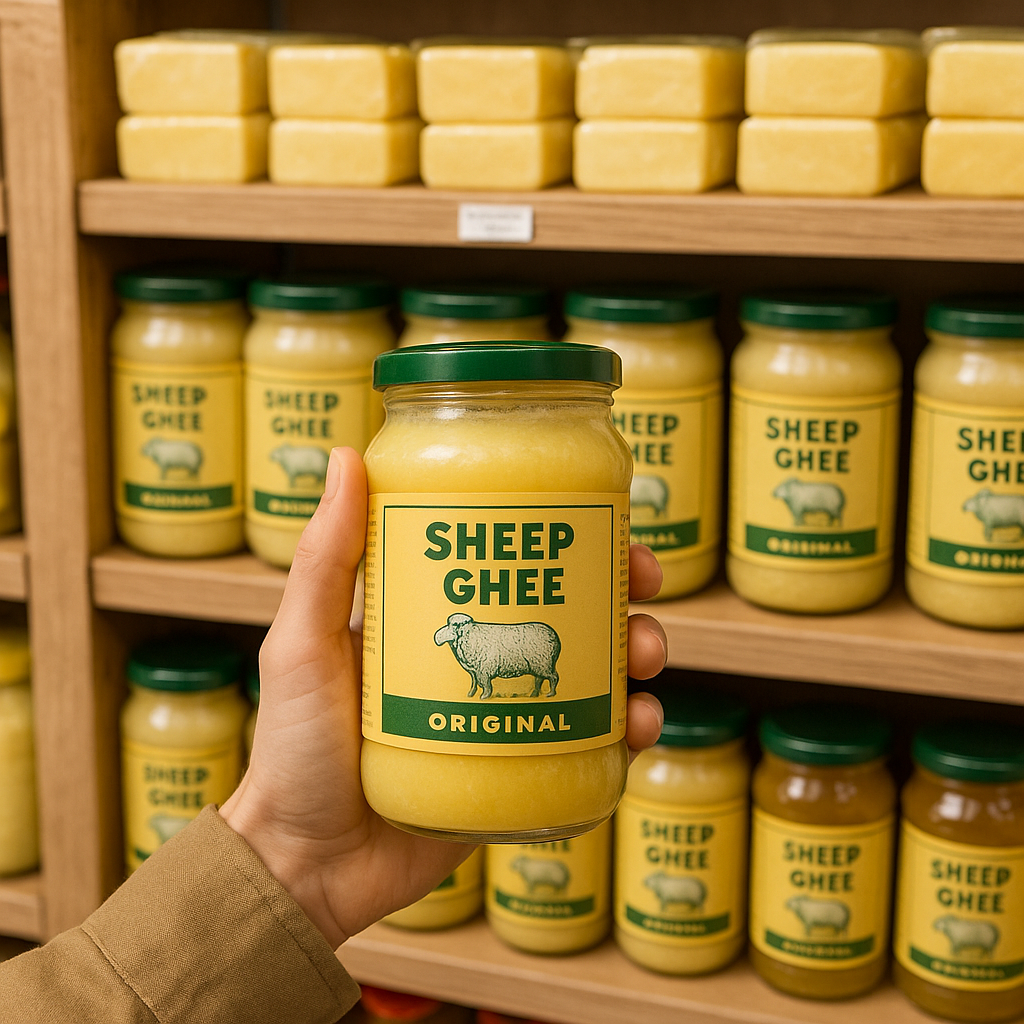
Professionalism in the sheep ghee industry and quality control
Workers in the sheep ghee industry must adhere to the highest standards of quality and hygiene. They must follow professional guidelines and utilize advanced production techniques to ensure a high-quality final product. Furthermore, every step in the manufacturing process must be meticulously monitored to guarantee compliance with safety and quality standards.
A. Quality standards in the sheep ghee industry
The professional production of sheep ghee requires adherence to high quality standards, such as hygiene at all stages of production and the use of high-quality, natural ingredients. The final product must be free of harmful substances and comply with approved health specifications. Adherence to these quality standards contributes to making sheep ghee a reliable and healthy product.
B. How to achieve professionalism in the production of sheep ghee
Achieving professionalism in sheep ghee production requires adherence to quality and food safety standards and proper cleaning procedures. Producers must closely monitor all stages of production and ensure the use of high-quality raw materials. Appropriate storage procedures must also be implemented to guarantee the quality of the final product.
The most prominent uses of sheep ghee are in cooking and desserts.
Ghee made from sheep is widely used in cooking to impart a rich and unique flavor to food. It is used for frying and added to main dishes such as pilau and kabsa, and it is also used in preparing traditional sweets like qatayef and kunafa to give them a delicious taste and distinctive texture.
A. The role of sheep ghee in food preparation
Ghee is a key ingredient in preparing traditional and delicious dishes. It's used for frying meats and vegetables to impart a deep, rich flavor, and it can also be used in marinades to enhance the taste. Ghee is an ideal choice for adding a delicious and unique flavor to food.
B. Dessert recipes using sheep ghee
Ghee is used in traditional kunafa to impart a rich, luxurious flavor. It can also be used in baklava and maamoul to add a traditional and delicious touch. Ghee is also used in cakes and other Middle Eastern sweets to enrich their flavor with a unique and delicious taste.
The production of sheep ghee relies on a traditional method of transforming sheep fat (lather) into pure ghee with a distinctive flavor. This ghee can be prepared at home by following these steps:
Basic components:
- Fresh sheep fat (preferably back or kidney fat as it is purer).
- Optional spices such as cardamom or cloves to enhance the flavor (optional).
Preparation method:
1. Grease cleaning:
- Wash the grease thoroughly with cold water to remove any impurities or blood.
- Cut the fat into small cubes to make it easier to melt.
2. Fat melting:
- Place the pieces of fat in a deep pot over medium to low heat.
- Continue stirring the fat to prevent it from sticking to the bottom of the pot.
- The fat will gradually begin to melt and turn into a fatty liquid.
3. Filtering the ghee:
- Once the grease has completely melted, use a fine sieve or a piece of cotton cloth to filter the liquid from the solid impurities (called "the grease").
4. Adding flavor (optional):
- If you wish to improve the flavor, add a little cardamom or cloves during the manufacturing process, then strain it after cooking is complete.
5. Refrigeration and packaging:
- Leave the ghee to cool slightly, then pour it into airtight glass containers.
- Store it in a cool, dry place, or in the refrigerator if you want to keep it for a longer period.
Tips to ensure the quality of ghee:
- Use fresh fat for the best flavor.
- Cook over low heat to prevent the butter from burning or developing an undesirable taste.
- Make sure to remove all impurities to obtain pure and clear ghee.
Uses of sheep ghee:
- It is widely used in Gulf cuisine, such as Kabsa, Jareesh and Harees.
- It can be added to traditional desserts to give them a rich flavor.
- By following this simple method, you can prepare high-quality sheep ghee at home and enjoy its natural and distinctive flavor.
Conclusion
Ghee made from sheep is not just a food product, but a piece of cultural heritage. You can use it to prepare delicious dishes and nourish your family with a touch of health and authenticity.
For cooking and tasting enthusiasts, don't miss out!
Shop at Dubai Refrigerator Store
Confectionery and biscuit products
Personal care and cleaning products
Personal care and cleaning products